Helping children build strong communication skills for life.
Is your child not talking yet? Are they a late talker, difficult to understand, struggling to follow instructions, or finding it hard to express their thoughts and needs?
Communication helps children build relationships, learn, participate and develop confidence. We provide personalised speech and language therapy for children across the Central Coast, helping them connect, learn and thrive.
Many parents hear “speech” and “language” used together, but they refer to different aspects of communication. Some children have challenges with one, and many with both.
Language
How we understand and use words to communicate.
Following and understanding instructions
Learning new vocabulary
Understanding and answering questions
Expressing thoughts and ideas
Using sentences
Participating in conversations
Speech
How clearly sounds and words are produced.
Producing sounds correctly
Combining sounds into words
Speaking clearly enough to be understood
Coordinating the movements needed for speech
When to seek support
Signs Your Child May Benefit
Every child develops differently, but some signs may indicate additional support would be helpful.
Communication
Isn’t talking yet or is a late talker
Uses fewer words than expected
Isn’t combining words into short phrases
Has difficulty expressing wants and needs
Struggles to follow instructions
Appears to understand less than expected for their age
Speech
Is difficult to understand
Uses immature speech patterns
Produces sounds incorrectly
Leaves sounds out of words
Says words differently each time
Becomes frustrated when trying to speak
Social communication
Has difficulty taking turns in conversation
Struggles to engage with others
Finds it difficult to maintain attention during interactions
Has challenges participating in group activities
Behaviour & regulation
Frustration or emotional outbursts
Withdrawal from social situations
Reduced confidence
Behavioural challenges
When children can communicate more effectively, many of these challenges can improve.
Our approach
Our Speech & Language Therapy Approach
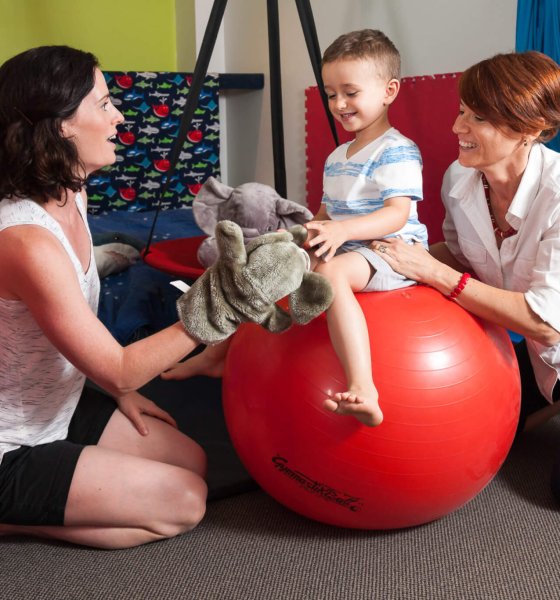
Child-led and play-based
Family-centred
Neuroaffirming and strengths-based
Evidence-informed
Individualised to your child’s goals and interests
We don’t focus on drills and repetition alone — we build communication through play, books, routines, social interaction and meaningful experiences.
What to expect
What Happens During Therapy?
1
Initial Assessment
A comprehensive first step where we:
Discuss your concerns and goals
Review developmental milestones
Observe communication, play and interaction
Assess speech, language, oral motor and feeding where appropriate
Develop an individualised therapy plan
2
Therapy Sessions
Tailored to your child’s age and needs, and may focus on:
Vocabulary and sentence building
Understanding language
Speech sound development
Social communication and listening
Oral motor development
Parent coaching and education
Related support
Supporting the Whole Child
Many children benefit from a combination of services. Depending on your child’s needs, we may integrate:
Early Intervention Speech Therapy
Supporting babies, toddlers and preschool children during the most important years of development.
If your child is not using words by around 18 months, has very limited words by age two, or is difficult to understand compared to other children their age, it’s worth seeking professional advice.
Children develop at different rates, but if your child is using significantly fewer words than expected or is not combining words by age two, an assessment can help determine whether support is needed.
No. You can contact RTC Speech Pathology directly to arrange an assessment.
Get started
Concerned About Your Child’s Communication?
If your child isn’t talking yet, is difficult to understand, or you’re concerned about their communication development, we’re here to help. The earlier support begins, the more opportunities children have to connect, learn and thrive.