Home › Concerns

Development Concerns

Child Development Concerns We Support

Helping you understand what might be behind your child’s challenges.

As a parent, it can be difficult to know whether your child is simply developing at their own pace or whether they may benefit from additional support. Many families contact us because they’ve noticed something isn’t quite right, but aren’t sure what it means or where to start.

The good news is you don’t need to have all the answers before seeking support. Below are some of the most common developmental concerns we help families navigate.

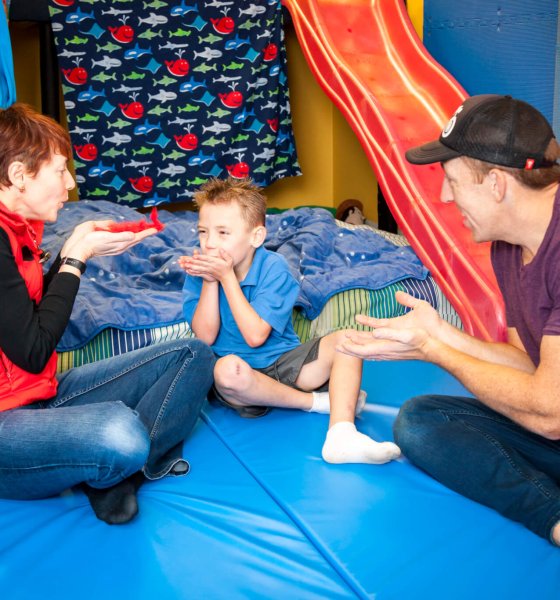
A therapist and family discussing a child’s development
Common concerns

Concerns We Commonly Support

You don’t need to identify a diagnosis before seeking support. Each concern below links to the services that can help.

My Child Isn’t Talking Yet

One of the most common reasons families seek support is because their child is not using words as expected.

Isn’t using meaningful words by ~18 months
Has very few words for their age
Isn’t combining words into short phrases
Appears to understand more than they can say
Becomes frustrated when trying to communicate

Speech Delay & Unclear Speech

Many children understand what is said to them but have difficulty expressing themselves clearly.

Family members struggle to understand your child
Sounds are missing from words
Words are difficult to recognise
Speech development appears behind peers
Becomes frustrated when speaking

Childhood Apraxia of Speech (CAS)

A motor speech disorder that affects a child’s ability to plan and coordinate the movements needed for speech.

Understands more than they can say
Says words differently each time
Speech that comes and goes
Knows what they want to say but struggles to get it out
Becomes frustrated when communicating

Feeding Difficulties & Fussy Eating

Many children are selective with food, but feeding difficulties may require support when children:

Eat a very limited range of foods
Refuse entire food groups
Gag on textures or struggle with chewing
Have stressful mealtimes
Become anxious around food

Mouth Breathing, Snoring & Oral Function

Breathing, sleeping, feeding and speech development can all be connected.

Mouth breathing or sleeping with an open mouth
Snoring or drooling
Tongue tie or lip tie concerns
Tongue thrust or open-mouth chewing
Chronic ear infections

Autism & Neurodiversity

Every autistic child is unique. Families often seek support because their child:

Isn’t talking yet or prefers to play alone
Finds social interaction difficult
Experiences sensory sensitivities
Has intense interests
Finds changes in routine challenging

Developmental Delay

Some children experience delays in one area of development, others across multiple areas.

Communication and play
Social interaction
Learning new skills
Feeding
Emotional regulation and independence

Emotional Regulation & Behaviour

Behaviour is often a form of communication. Children may have meltdowns or challenging behaviour when they:

Cannot communicate their needs
Feel overwhelmed
Struggle with emotional regulation
Experience sensory sensitivities
Find transitions difficult

Sensory Processing Challenges

Some children experience the world differently through their senses.

Sensitivity to sounds
Difficulty with food textures
Avoidance of certain clothing
Movement-seeking behaviours
Difficulty coping in busy environments

Social Communication Difficulties

Some children find it difficult to interact, participate in conversations or build relationships.

Difficulty taking turns
Limited eye contact
Challenges making friends
Difficulty understanding social situations
Reduced engagement during play
Start here

Not Sure What Your Child Needs?

Many parents arrive knowing something doesn’t feel right but not knowing exactly what support their child needs. That’s completely okay — you don’t need to identify a diagnosis first. Our assessment process helps us understand your child’s strengths, challenges and developmental needs.

How we help

Related Services

RTC Speech Pathology provides support through:

Early Intervention Speech Therapy

Supporting babies, toddlers and preschool children during the most important years of development.

Speech & Language Therapy

Helping children understand language, use words, combine sentences and communicate more confidently.

Feeding Therapy

Supporting children who experience feeding difficulties, fussy eating, food refusal, gagging or stressful mealtimes.

Orofacial Myofunctional Therapy

Helping children who present with mouth breathing, tongue and lip ties, drooling, tongue thrust, lisps and oral muscle weakness.

Autism & Neurodiversity Support

Neuroaffirming support focused on communication, connection, play, regulation and participation.

Childhood Apraxia of Speech / Verbal Dyspraxia

Specialised support for children who know what they want to say but find it hard to plan and coordinate the movements needed for clear speech.

Parent Training & Education

Practical coaching to help parents support communication, feeding, emotional regulation and development at home.

Managing Challenging Behaviours

Understanding the reasons behind meltdowns, tantrums and routine refusal, with practical strategies that support emotional regulation and communication.

Global Developmental Delay Support

Supporting children with delays across multiple areas — communication, play, feeding, social interaction and early learning.

Get started

Concerned About Your Child’s Development?

If you’re worried about your child’s speech, communication, feeding, social interaction, behaviour or development, we’re here to help. The earlier concerns are identified and addressed, the more opportunities children have to thrive.