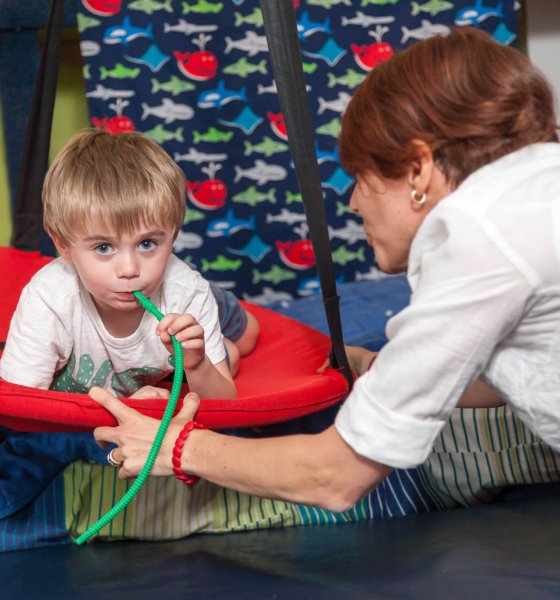
Supporting communication, connection and confidence in neurodivergent children.
Has your child recently been diagnosed as autistic (received a diagnosis of Autism Spectrum Disorder / ASD)? Perhaps you’re noticing differences in how they communicate, play, interact, respond to sensory experiences, or engage with the world.
We provide neuroaffirming support for autistic and neurodivergent children across the Central Coast. Our goal is not to change who your child is, but to help them develop the communication, confidence and everyday life skills they need to thrive.
Neurodiversity recognises that differences in communication, learning, sensory processing, social interaction and behaviour are a natural part of human diversity.
Rather than trying to make children behave like everyone else, we work alongside them to build skills that improve participation, independence and quality of life — understanding each child’s unique strengths, supporting meaningful communication, building connection, supporting emotional regulation and empowering parents.
When to seek support
Signs Your Child May Benefit
Many families seek support before a diagnosis is received. Not all autistic or neurodivergent children present in the same way.
Communication
Is not talking yet or is a late talker
Delayed speech or language development
Uses fewer words than expected
Repeats words or phrases frequently
Has difficulty expressing needs and wants
Becomes frustrated when trying to communicate
Social interaction
Prefers to play alone
Finds it difficult to engage with peers
Has difficulty with turn-taking
Struggles with joint attention
Appears less interested in interacting
Has difficulty understanding social situations
Sensory processing
Highly sensitive to sounds, smells, textures or movement
Avoids certain clothing or food textures
Becomes overwhelmed in busy environments
Has strong reactions to sensory experiences
Seeks movement, pressure or sensory input
Play & flexibility
Has difficulty with imaginative play
Becomes highly focused on specific interests
Finds changes in routine difficult
Emotional outbursts during transitions
Delays in developmental milestones
Struggles with flexibility in everyday situations
Our approach
Our Neuroaffirming Approach
Child-led and play-based
Family-centred
Neuroaffirming
Strengths-focused
Evidence-informed
Individualised to your child’s needs
We build meaningful relationships, communication, engagement and participation through activities that are enjoyable, motivating and respectful of your child’s unique profile.
What to expect
What Happens During Therapy?
1
Initial Assessment
We begin by getting to know your child and family:
Discussing your concerns and goals
Understanding strengths and interests
Observing communication, play and interaction
Exploring sensory preferences and challenges
Reviewing developmental history
Developing an individualised support plan
2
Therapy Sessions
Tailored to your child and may focus on:
Communication, speech and language
Social interaction and engagement
Play skills
Emotional regulation
Flexibility and coping with change
Participation in daily routines and parent coaching
Communication
Communication in Ways That Work for Your Child
Communication is much more than spoken words. We support children who communicate through speech, gestures, facial expressions and visual supports.
Expressing wants and needs
Building vocabulary
Understanding language
Social communication
Turn-taking and interaction
Reducing communication-related frustration
Related support
Supporting the Whole Child
Many autistic and neurodivergent children benefit from a combination of services:
Early Intervention Speech Therapy
Supporting babies, toddlers and preschool children during the most important years of development.
Understanding the reasons behind meltdowns, tantrums and routine refusal, with practical strategies that support emotional regulation and communication.
Yes. When children have difficulty communicating their needs, managing sensory experiences or regulating emotions, this can contribute to frustration and behavioural challenges.
We support babies, toddlers and young children, with a strong focus on early intervention and developmental support.
Get started
Looking for Support for Your Child?
You don’t need to have all the answers before reaching out. Whether your child has a diagnosis, is waiting for assessment, or you’re simply concerned about communication, social interaction, sensory processing or development, we’re here to help.