Home › Services › Managing Challenging Behaviours

Managing Challenging Behaviours

Managing Challenging Behaviours

Understanding the “why” behind your child’s behaviour.

Are you finding your child’s behaviour difficult to manage? Perhaps they’re having frequent meltdowns, refusing everyday routines, becoming aggressive, struggling with transitions or finding it difficult to cope with change. Many parents tell us they feel exhausted, frustrated or unsure what to do next.

At RTC Speech Pathology, we believe behaviour is communication. Rather than asking “How do we stop this behaviour?”, we ask “What is this behaviour trying to tell us?”

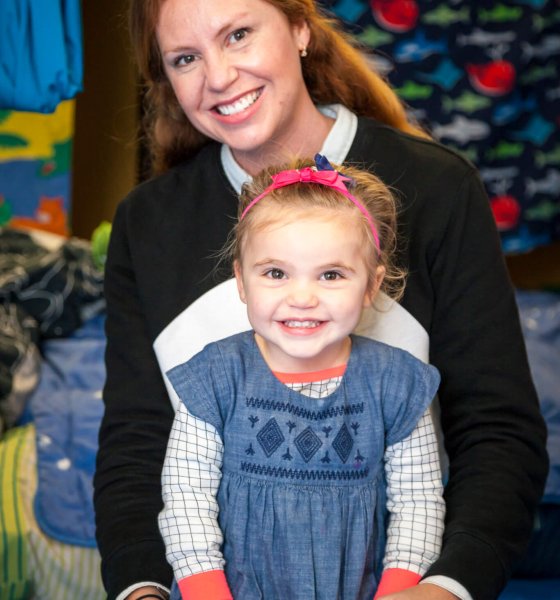
A parent holding her smiling toddler during a behaviour support session
Behaviour is communication

What Are Challenging Behaviours?

Our Managing Challenging Behaviours service helps families understand the underlying reasons behind their child’s behaviour and provides practical, evidence-informed strategies that support emotional regulation, communication and positive participation in everyday life.

Whether your child has communication difficulties, developmental delays, autism, sensory processing differences or you’re simply concerned about challenging behaviours at home or preschool, we’re here to help.

All children communicate through their behaviour. When children don’t yet have the skills to express their needs, regulate their emotions or cope with everyday situations, their behaviour often becomes their way of communicating.

Challenging behaviours are not usually about being “naughty” or deliberately difficult. Instead, they are often a sign that a child is struggling with something they cannot yet explain.

Our role is to understand what may be driving the behaviour and help children develop the skills they need to communicate, regulate and participate more successfully.

When to seek support

Common Behaviour Challenges We Support

Every child is different, but families often seek support when their child experiences:

Emotional regulation challenges

Frequent meltdowns
Tantrums that seem difficult to manage
Anxiety or excessive worry
Emotional outbursts
Difficulty calming down once upset
Low frustration tolerance

Behaviour at home or preschool

Aggressive behaviour towards others
Hitting, kicking or biting
Throwing objects
Task refusal
Refusing daily routines
Difficulty following instructions
Saying “no” to everything

Social challenges

Difficulty sharing
Difficulty taking turns
Challenges during group time
Difficulty making friends
Conflict with siblings or peers
Difficulty waiting

Transition difficulties

Moving between activities
Leaving preferred activities
Bedtime routines
Mealtimes
Childcare or preschool transitions
Unexpected changes to routine

If these behaviours are affecting family life, preschool or your child’s wellbeing, an assessment can help identify the underlying reasons.

Root causes

Behaviour Is Often a Symptom, Not the Problem

One of the most important things we help families understand is that behaviour rarely happens in isolation. Children may display challenging behaviours because of:

Communication difficulties
Speech or language delays
Difficulty understanding expectations
Sensory processing differences
Emotional regulation challenges
Anxiety
Developmental delays
Autism
Fatigue
Hunger
Pain or discomfort
Difficulty coping with change
Feeling overwhelmed

When we understand the reason behind the behaviour, we can develop strategies that support lasting change rather than simply reacting to the behaviour itself.

Our approach

Our Approach to Managing Challenging Behaviours

At RTC Speech Pathology, our approach is child-centred, family-focused and evidence-informed. We don’t believe in quick fixes. Instead, we help families understand:

What may be triggering behaviours
What the behaviour is communicating
Why the behaviour continues
Which skills the child needs to develop
Practical strategies that support success at home, preschool and in the community

Our goal is to help children build the communication, emotional regulation and coping skills that reduce challenging behaviours over time.

What to expect

What Happens During Behaviour Support?

1

Initial Assessment

The first step is understanding your child as a whole. We will:

Discuss your concerns and goals
Explore when and where behaviours occur
Identify possible triggers
Observe communication and interaction skills
Consider sensory processing and emotional regulation
Assess speech and language where appropriate
Review developmental history
Develop an individualised support plan
2

Parent Coaching & Practical Strategies

Much of the work happens alongside parents and caregivers. Depending on your family’s needs, we may provide support with:

Understanding behaviour triggers
Preventing behaviours before they escalate
Responding consistently and calmly
Supporting emotional regulation
Building communication skills
Helping children transition between activities
Supporting sharing and turn-taking
Reducing mealtime battles
Encouraging cooperation without constant conflict
Our framework

Our Practical Behaviour Framework

Our support is based on helping families understand behaviour before trying to change it. Together we work through a practical framework that helps parents:

Identify behaviour triggers
Understand the root causes of behaviour
Recognise what the behaviour may be communicating
Develop proactive strategies
Reduce unwanted behaviours
Support emotional regulation
Build long-term coping and communication skills

We also explore practical techniques for everyday situations, including helping children accept boundaries, manage transitions and cope with frustration in positive ways.

Related support

Supporting the Whole Child

Challenging behaviour is often connected to other areas of development. Depending on your child’s needs, we may also recommend:

Early Intervention Speech Therapy

Supporting communication, play and developmental skills during the critical early years.

Speech & Language Therapy

Helping children communicate their thoughts, feelings and needs more effectively.

Autism & Neurodiversity Support

Providing neuroaffirming support for communication, emotional regulation and participation.

Parent Training & Education

Helping families confidently implement practical strategies at home.

Global Developmental Delay Support

Supporting children whose behaviours occur alongside broader developmental differences.

Feeding Therapy

Supporting children who experience feeding difficulties, fussy eating, food refusal, gagging or stressful mealtimes.

Why early support

Why Early Support Matters

The earlier we understand the reasons behind challenging behaviour, the sooner children can begin developing the skills they need to communicate, regulate emotions and participate confidently in everyday life. Early support can help children:

Reduce frustration
Improve communication
Develop emotional regulation
Build social skills
Increase independence
Strengthen relationships
Improve participation at home, preschool and in the community

Supporting the underlying causes often leads to more meaningful and lasting improvements than simply trying to stop behaviours.

Why RTC

Why Families Choose RTC Speech Pathology

Families across the Central Coast choose RTC Speech Pathology because we:

Focus on understanding the whole child
Recognise behaviour as communication
Provide practical, family-centred strategies
Support communication and emotional regulation together
Take a neuroaffirming, strengths-based approach
Empower parents with confidence and knowledge
Where we work

Areas We Support Across the Central Coast

Tumbi Umbi · Erina · Gosford · Terrigal · Tuggerah · Woy Woy
Wyong · Berkeley Vale · Long Jetty · Killarney Vale · and surrounding Central Coast communities

Telehealth appointments may also be available for families across NSW where appropriate.

Common questions

Frequently Asked Questions

No. All children display challenging behaviour from time to time. However, frequent or persistent behaviours may indicate that your child is struggling with communication, emotional regulation, sensory processing or another underlying developmental need.

Yes. Children who cannot communicate their thoughts, feelings or needs may become frustrated, leading to meltdowns, tantrums or other challenging behaviours.

Yes. Our approach is neuroaffirming and focuses on understanding the underlying reasons behind behaviours while supporting communication, emotional regulation and participation.

Absolutely. Parent coaching is one of the most important parts of this service because children make the greatest progress when strategies are used consistently across everyday routines.

No. You can contact RTC Speech Pathology directly to arrange an assessment.

Get started

Looking for a Different Way to Understand Your Child’s Behaviour?

You don’t have to manage challenging behaviours on your own. If you’re feeling overwhelmed by meltdowns, tantrums, aggression, routine refusal or emotional outbursts, we’re here to help you understand what’s driving the behaviour and provide practical strategies that support lasting change. Complete the enquiry form below and our team will be in touch to discuss how we can support your child and your family.