By Leana Matodes | Paediatric Speech Pathologist, Feeding Therapist and Orofacial Myofunctional Therapist | RTC Speech Pathology
Why looking at the whole child matters
Have you ever noticed that your child sleeps with their mouth open, snores, struggles with certain food textures, drools when concentrating, or has difficulty producing particular speech sounds?
Perhaps your child has a tongue tie, a persistent thumb-sucking habit, crowded teeth or difficulty keeping their lips together at rest.
These may appear to be separate concerns. However, the way a child breathes, sleeps, eats, swallows and uses the muscles of their mouth can be interconnected.
With over 30 years of experience working with babies and young children, I have developed a strong appreciation for the importance of looking beyond an individual symptom and considering the whole child’s development.
At RTC Speech Pathology, my approach combines speech pathology, feeding therapy, orofacial myofunctional therapy (OMT), sensory-motor development, play-based learning and family-centred intervention.
Rather than simply teaching a child to move their tongue or close their lips, I want to understand why a particular pattern has developed and what may be contributing to it.
This is particularly important during early childhood, when the foundations for oral function, communication, eating habits, sleep and emotional wellbeing are developing.
What is orofacial myofunctional therapy?
Orofacial myofunctional therapy, commonly called OMT, focuses on improving the awareness, coordination and functional patterns of the tongue, lips, cheeks and jaw.
These muscles have important roles in everyday activities, including:
- Breathing and comfortable oral resting posture
- Chewing, swallowing and managing different food textures
- Speech sound production
- Saliva management
- Developing and maintaining appropriate oral habits
An important goal is helping children establish more efficient patterns of oral movement and resting posture, where these are appropriate and achievable.
For example, when a child is comfortable and their nasal airway is clear, we generally want to see relaxed lips together, nasal breathing and the tongue resting comfortably within the palate rather than habitually pushing between the teeth.
However, we must first consider whether the child can breathe comfortably through their nose. Simply asking a child to keep their mouth closed does not resolve an underlying airway obstruction.
For young children, therapy needs to be engaging, achievable and developmentally appropriate. At RTC, I incorporate playful movement, sensory experiences, everyday routines and parent participation rather than relying on repetitive exercises alone.
The connection between breathing, sleep and development
An important resource that reflects the value of looking at the bigger developmental picture is Dr Shereen Lim’s book Breathe, Sleep, Thrive.
Dr Lim, an Australian dentist with postgraduate training in dental sleep medicine, highlights the importance of recognising potential airway concerns early in childhood.
Her work encourages parents and health professionals to consider three interconnected areas:
Structure: The development of the jaws, palate, teeth and airway.
Function: How the child breathes, positions their tongue, chews, swallows and uses their oral muscles.
Behaviour and wellbeing: Sleep quality, attention, learning, emotional regulation and everyday functioning.
This broader perspective aligns with my own approach at RTC Speech Pathology.
For example, a child who regularly breathes through their mouth may also have a low resting tongue position, difficulties with lip closure or disrupted sleep.
Some children with sleep-disordered breathing experience restless sleep, difficulties concentrating, daytime tiredness or changes in behaviour. These symptoms are not specific to airway problems, but they are important reasons to investigate further.
Why nasal breathing matters
The nose helps filter, warm and humidify the air we breathe.

Persistent mouth breathing can be associated with nasal obstruction, allergies, enlarged adenoids or tonsils, and differences in oral posture or facial development.
The relationship between breathing patterns and jaw growth is complex. Oral posture, genetics, growth, airway health and oral habits may all contribute.
At RTC, I consider nasal breathing and oral resting posture as part of the assessment, while recognising that medical airway concerns require appropriate assessment by a GP, ENT specialist or other qualified professional.
Children who snore regularly, gasp during sleep or appear to stop breathing should receive medical assessment. Snoring is not something we should automatically assume a child will outgrow.
What does a healthy resting mouth look like?
When a child is relaxed, not eating or speaking, we generally look for:
- Lips resting gently together without strain
- Comfortable breathing through the nose
- The tongue resting within the mouth, typically elevated towards the palate
- A relaxed jaw, without persistent clenching or excessive tension


These are useful observations, but they are not a diagnosis.
Some children have structural or medical reasons why these patterns are difficult to achieve. Others may have developed compensatory habits over time.
An assessment helps identify which factors are contributing and whether intervention is appropriate.
Signs your child may benefit from an orofacial myofunctional assessment
Parents may notice concerns across several developmental areas.
Breathing and sleeping
- Persistent open-mouth posture or mouth breathing
- Regular snoring or noisy breathing during sleep
- Restless sleep or frequent waking
- Chronic nasal congestion
- Teeth grinding, particularly when accompanied by other sleep concerns
Feeding and swallowing
- Difficulty progressing to age-appropriate food textures
- Limited chewing skills or inefficient chewing
- Food pocketing in the cheeks
- Frequent messy eating or difficulty managing saliva
- Tongue thrust patterns during swallowing
- A highly restricted range of accepted foods
Speech and oral movements
- A persistent interdental or lateral lisp
- Difficulty coordinating tongue movements for particular sounds
- Reduced tongue mobility
- Speech sound difficulties occurring alongside oral posture or feeding concerns
Oral habits and dental development
- Prolonged thumb or finger sucking
- Extended dummy use
- Tongue resting between the teeth
- Concerns about dental alignment, bite or palate development
- A tongue tie associated with functional difficulties
Posture, movement and sensory development
Some children also present with reduced postural stability, sensory sensitivities, difficulties with body awareness or challenges coordinating movements.
These concerns do not necessarily arise from an orofacial myofunctional disorder, but they may influence how a child participates in feeding and therapy.
At RTC, I consider these developmental areas together rather than assuming that every difficulty originates in the mouth.
Why the tongue matters
The tongue is a remarkable muscle structure involved in sucking, swallowing, chewing, speech and oral resting posture.
During eating, it helps move food around the mouth, position it between the teeth for chewing and prepare it for swallowing.
During speech, it makes precise and rapid movements to produce sounds such as /t/, /d/, /n/, /l/, /s/ and /z/.
The tongue’s resting position and movement patterns may also interact with dental and jaw development over time.
Children who consistently rest their tongue low or forward, or push it between their teeth, may benefit from an assessment of oral function and dental development.
However, tongue exercises alone do not necessarily change jaw structure, correct a speech disorder or resolve a breathing problem. Therapy needs to address the child’s specific functional difficulties and any contributing factors.
Tongue ties: looking at function, not just appearance
A tongue tie, or ankyloglossia, occurs when the tissue beneath the tongue restricts its movement.
Not every visible frenulum requires treatment.
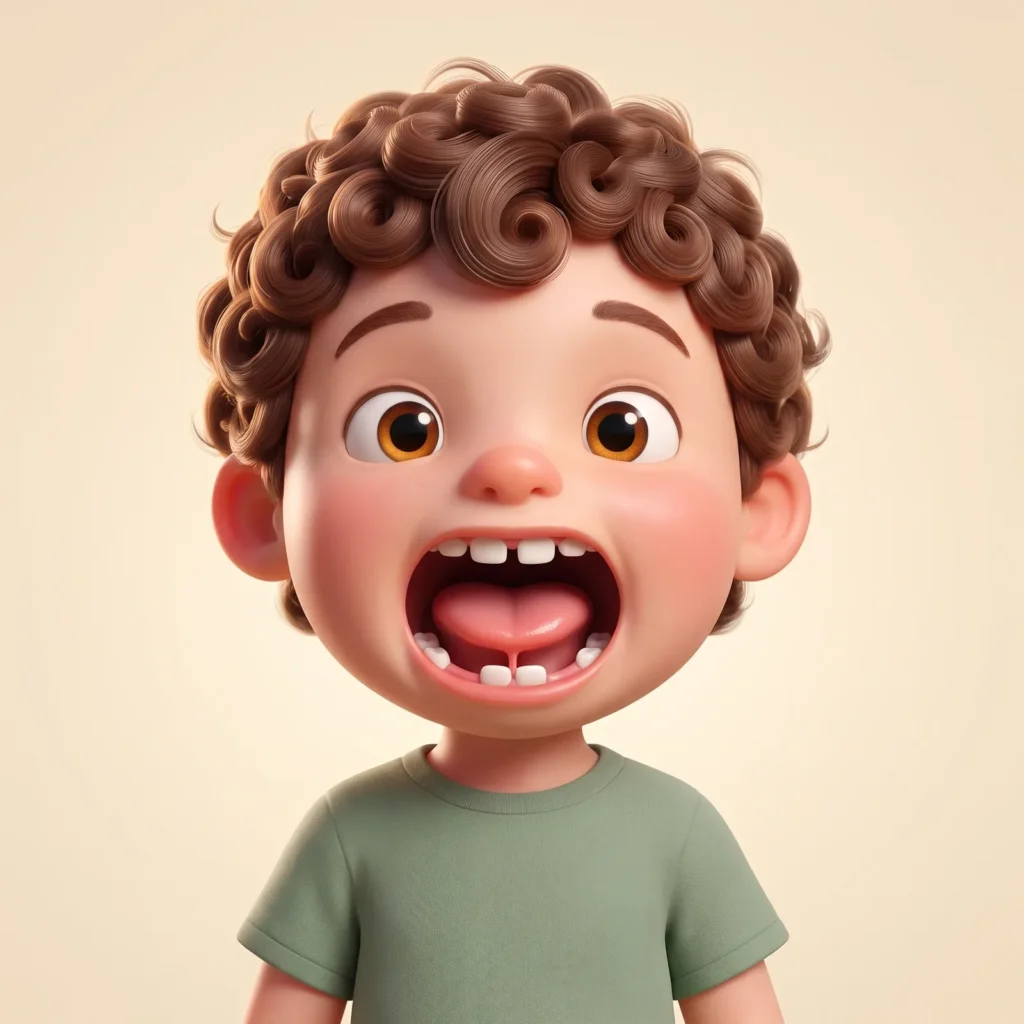
The most important question is whether the restriction is contributing to meaningful difficulties with feeding, tongue mobility, oral function or other activities.
At RTC, I consider how the tongue moves during functional tasks, rather than relying only on how the frenulum looks.
Before a tongue tie release
Assessment may help identify restricted movement, compensatory patterns and functional concerns.
Where appropriate, therapy may support awareness and coordination of available tongue movements.
The decision about a release should involve an appropriately qualified medical or dental professional and consider the child’s symptoms, function and available treatment options.
After a tongue tie release
A release may improve the tongue’s range of movement, but children can still need support with established feeding, swallowing or speech patterns.
For some children, individualised therapy may help them learn to use newly available movements in everyday activities.
The need for exercises and their effectiveness varies. Routine post-release stretching or wound manipulation should not be presented as universally necessary, and families should follow individualised advice from their treating clinician.
RTC parent resource: After the Release
My After the Release online course is designed to help parents understand what to expect following a tongue tie release, recognise signs that require professional attention and support their child’s recovery and developing oral function.
The course is intended for parents of children approximately 6 months to 10 years of age.
Feeding development: much more than getting food into the mouth
As a paediatric feeding therapist, I regularly see children whose feeding difficulties involve more than food preferences.
Eating is a complex sensory-motor activity. It requires coordination of breathing, posture, jaw movement, tongue control, chewing and swallowing.
It also involves sensory processing, previous experiences with food, emotional security and the child’s willingness to explore something unfamiliar.
A child who avoids chewy foods, struggles to move food from side to side or becomes overwhelmed by certain textures may need support in several of these areas.
My feeding therapy approach incorporates principles of Food Chaining, sensory exploration, gradual exposure, oral-motor development and responsive, relationship-based intervention.
I also consider posture and stability, because a child who is struggling to maintain a comfortable seated position may have additional difficulty coordinating the movements needed for eating.
Why chewing experiences matter
As children develop, opportunities to safely explore increasingly varied food textures support the acquisition of chewing skills.
Age-appropriate chewing involves coordinated jaw and tongue movements and the ability to manage food safely.
Chewing also provides sensory and proprioceptive feedback that can contribute to oral awareness.
However, harder foods are not automatically better. Foods should be selected according to the child’s age, chewing abilities and choking risk.
For children with feeding difficulties, targeted assessment and graded food experiences are more appropriate than simply encouraging tougher textures.
Speech development and oral function
One of the benefits of combining speech pathology and OMT training is being able to distinguish between speech sound difficulties and broader patterns of oral dysfunction.
For example, a child with an interdental lisp may position their tongue between their teeth when producing /s/ or /z/.
Another child may have a lateral lisp, where air escapes over the sides of the tongue.
A child with a tongue thrust swallowing pattern may also demonstrate unusual resting tongue posture or dental changes.
Although these patterns can coexist, they do not always have the same cause.
At RTC, I assess the child’s speech sound system, oral movements and functional abilities to determine which intervention is most appropriate.
Speech sound therapy remains essential when the child has a speech disorder. OMT may be incorporated when there are additional orofacial myofunctional concerns that warrant intervention.
My training in approaches including PROMPT tactile cueing and DIR/Floortime supports an individualised approach to communication, motor learning and engagement.
Thumb sucking, dummy use and oral habits
Sucking is a normal and important behaviour during infancy.
Babies use sucking for feeding, comfort and self-regulation. Thumb or finger sucking and dummy use may also provide reassurance during tiredness, uncertainty or emotional distress.
However, when non-nutritive sucking habits are frequent, intense and continue over several years, they may influence dental development.
Possible effects include changes in the bite, such as an anterior open bite, and differences in tooth alignment or palate development.
The degree of impact depends on factors including the frequency, duration and intensity of the habit.
Why simply telling a child to stop is often unsuccessful
A sucking habit may be meeting an important emotional or sensory need.
Before trying to eliminate the behaviour, I consider when it occurs, what triggers it and what the child gains from it.
Is the child tired, overwhelmed, anxious, bored or seeking reassurance?
My approach incorporates principles of Theraplay and relationship-based intervention, recognising the importance of connection, co-regulation and emotional security.
Rather than creating shame or pressure, we can help children develop alternative ways of feeling calm and safe.
These may include predictable routines, movement activities, comforting objects, connection with a parent or other appropriate sensory strategies.
Where relevant, I also assess whether the child would benefit from oral-motor support or a structured habit-replacement programme.
The aim is to support both the child’s emotional needs and their developing oral function.
Oral development is connected to the whole body
A child’s mouth does not function independently from the rest of their body.
Postural control, head and neck stability, sensory processing, motor planning and attention can all influence feeding and participation in therapy.
For example, a child with reduced postural stability may find it more difficult to maintain an efficient position for eating.
A child with sensory sensitivities may become distressed when unfamiliar food textures enter their mouth.
Another child may have difficulty coordinating new movements because of broader motor-planning challenges.
My training in Neurodevelopmental Treatment (NDT), sensory-motor approaches and play-based therapy informs how I adapt activities for each child’s developmental needs.
I may incorporate supported movement, positioning, sensory exploration and playful oral activities to help a child participate more successfully.
The goal is not simply stronger oral muscles. It is better functional coordination, confidence and participation in everyday activities.
Supporting emotional regulation and a child’s sense of self
Children learn best when they feel safe, connected and capable.
This is particularly important for children who have experienced feeding difficulties, repeated medical procedures, frustration with communication or negative experiences involving their mouths.
At RTC, I incorporate relationship-based principles from Theraplay and DIR/Floortime to support engagement, connection and co-regulation.
For some children, this means beginning with playful interaction and movement rather than asking them to perform unfamiliar oral movements immediately.
For others, it involves helping parents recognise their child’s cues, building predictable routines and allowing the child to experience success in small steps.
When therapy is enjoyable and achievable, children are often more willing to participate and practise.
Supporting the child emotionally is not separate from therapy. It is part of creating the conditions in which learning can occur.
How parents can support oral development at home
Parents have an important role in helping children develop everyday oral skills.
Many useful learning opportunities happen naturally during play, meals and daily routines.
Depending on the child’s age and abilities, activities may include:
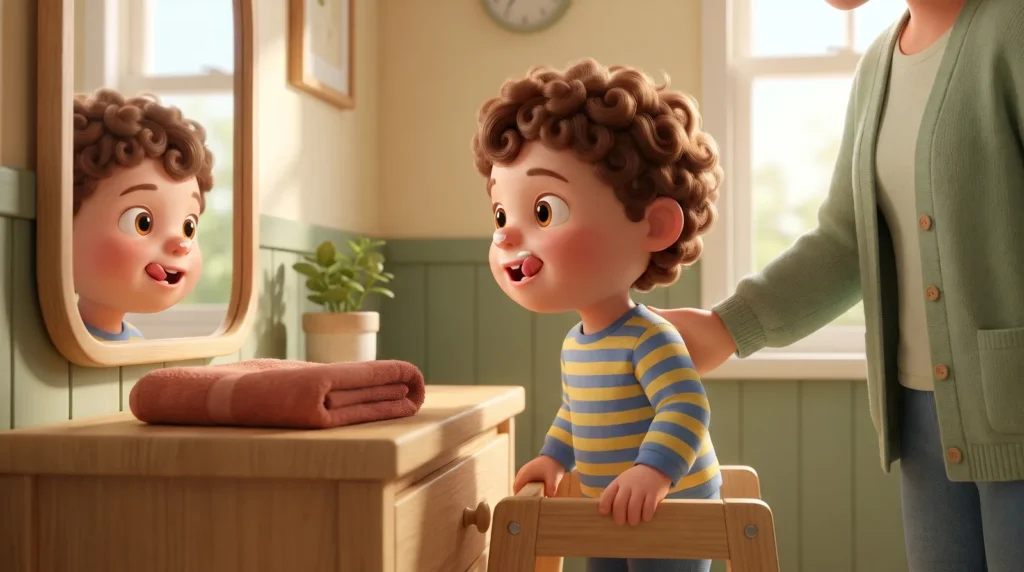
- Exploring facial expressions and tongue movements in a mirror
- Practising age-appropriate cup and straw drinking
- Offering safe, developmentally appropriate food textures
- Encouraging relaxed, enjoyable mealtimes
- Playing imitation games involving facial movements and speech sounds
- Supporting comfortable posture during eating
- Observing breathing patterns and oral resting posture
Activities such as blowing bubbles, making funny faces and tongue games can be enjoyable ways to develop awareness and engagement.

However, they should not be assumed to improve speech, swallowing or airway function without an identified therapeutic purpose.
A trained therapist can help families understand which activities are appropriate and how they relate to the child’s individual goals.
What about the MyoMunchee?
The MyoMunchee is a flexible oral appliance that may be used as part of an individualised oral-motor or myofunctional programme.
Its design encourages repeated chewing movements and provides sensory input to the mouth.
For selected children, it may be considered as a structured oral activity to support awareness of jaw movement, chewing practice and participation in a home programme.
The MyoMunchee should not be considered a universal substitute for thumb sucking or a replacement for professional assessment.
Suitability depends on the child’s age, oral-motor skills, dental development, safety and individual needs.
At RTC, I consider whether tools such as the MyoMunchee are appropriate within the child’s broader therapy programme.
Early intervention: supporting development through play
In my book Time2Play, I encourage parents to recognise developmental milestones and use everyday play to support early learning.
The book explores development across several important areas, including speech and language, feeding and oral-motor skills, movement, sensory development and early interaction.
For example, during the toddler and preschool years, children gradually become more capable of imitating facial and tongue movements, managing different food textures and coordinating their oral movements during speech and eating.
Simple games involving tongue movement, facial imitation and food exploration can provide opportunities for parents to observe their child’s skills.
These observations are not formal diagnostic tests. Children develop at different rates, and difficulty completing an imitation task does not necessarily indicate an oral-motor disorder.
Nevertheless, persistent concerns about feeding, speech, saliva control or oral movement are worth discussing with a qualified professional.
The philosophy behind Time2Play is closely aligned with my work at RTC: helping parents understand development and giving them practical, enjoyable ways to support their children.
RTC Speech Pathology programmes and services
At RTC Speech Pathology, I aim to make specialised knowledge accessible to families through individual therapy, parent education and practical home programmes.
Mini Myo
Designed for younger children from approximately 18 months, Mini Myo focuses on developmentally appropriate oral awareness, movement and early functional skills through play and parent participation.
Kids Myo
For school-aged children, Kids Myo provides an age-appropriate approach to oral resting posture, tongue and lip coordination, swallowing patterns and relevant oral habits.
Programmes are individualised according to assessment findings and the child’s developmental abilities.
After the Release
An online parent education course supporting families following tongue tie release, including understanding recovery, recognising concerns and supporting appropriate functional development.
Oral Motor Parent Programme
My parent-focused oral motor lessons provide short, practical activities that can be incorporated into everyday routines, with explanations of the developmental skills being targeted.
These activities are educational and do not replace an individualised assessment or treatment plan.
Time2Play
My early childhood developmental resource helps parents understand milestones and incorporate play-based activities into everyday life.
Circles of Connection
My Circles of Connection programme supports social connection, participation and emotional regulation through structured, relationship-based activities.
Although it is not an OMT programme, its emphasis on connection, engagement and emotional development complements my broader philosophy of supporting the whole child.
Why collaboration is so important
Children with oral function concerns may benefit from support from more than one professional.
Depending on their needs, this may include:
- A speech pathologist or feeding therapist
- An appropriately trained orofacial myofunctional therapist
- A GP, paediatrician or ENT specialist
- A paediatric dentist or orthodontist
- A lactation consultant
- An occupational therapist or physiotherapist
For example, a child with persistent mouth breathing and snoring may require medical assessment of the nasal airway, tonsils and adenoids before oral resting posture can be addressed effectively.
A child with feeding difficulties may need assessment of swallowing safety, sensory responses, oral coordination and nutritional adequacy.
A child with dental changes associated with a sucking habit may benefit from coordinated dental and behavioural support.
The most effective plan is not necessarily the one that involves the most therapy. It is the one that addresses the child’s actual needs in the right order.
The RTC Speech Pathology difference: looking beyond the symptom
My approach has developed through more than three decades of working with children and families, and through additional training across a range of therapeutic approaches.
I combine my experience as a paediatric speech pathologist, feeding therapist and orofacial myofunctional therapist with principles drawn from DIR/Floortime, Theraplay, PROMPT tactile cueing, Neurodevelopmental Treatment and Food Chaining.
This allows me to consider not only what a child is finding difficult, but also how their communication, sensory processing, movement, emotional regulation, feeding and oral function may influence one another.
The holistic perspective described by Dr Shereen Lim in Breathe, Sleep, Thrive reinforces the importance of recognising airway and sleep concerns as part of this broader developmental picture.
At the same time, every child deserves an evidence-informed assessment that considers alternative explanations, individual developmental differences and the limits of what any single therapy can achieve.
At RTC Speech Pathology, my goal is to help children develop the functional skills, confidence and connections they need to participate more comfortably in everyday life.
Because supporting a child is about so much more than teaching a tongue movement or correcting a speech sound.
It is about understanding the whole child.
When should you seek an assessment?
If your child has persistent mouth breathing, regular snoring, feeding difficulties, unusual swallowing patterns, a tongue tie associated with functional concerns, ongoing drooling, or speech sound difficulties, an assessment can help identify what support may be beneficial.
Early identification can be valuable, but it is never too late to investigate a concern.
At RTC Speech Pathology, I offer a family-centred approach that considers oral function alongside the child’s broader developmental needs. We see families at our clinic in Tumbi Umbi on the Central Coast and by telehealth across NSW, and no referral is needed.
Orofacial myofunctional therapy at RTC → · Book an assessment · After the Release parent course
Common questions
What is myofunctional therapy for kids?
Orofacial myofunctional therapy (OMT) helps children improve the awareness, coordination and functional patterns of the tongue, lips, cheeks and jaw, for breathing, chewing, swallowing, speech and saliva management. For young children it should be engaging, playful and developmentally appropriate, with parents taking part.
Does every tongue tie need to be released?
No. Not every visible frenulum requires treatment. The most important question is whether the restriction is contributing to meaningful difficulties with feeding, tongue mobility or oral function. The decision should involve an appropriately qualified medical or dental professional.
Can tongue exercises change my child’s jaw or fix a breathing problem?
Tongue exercises alone do not necessarily change jaw structure, correct a speech disorder or resolve a breathing problem. Therapy needs to address the child’s specific functional difficulties, and medical airway concerns need assessment by a GP or ENT specialist.
Is myofunctional therapy a treatment for sleep apnoea?
No. OMT should not be presented as a stand-alone treatment for obstructive sleep apnoea or structural airway obstruction. Children who snore regularly, gasp during sleep or appear to stop breathing should receive medical assessment.
Leana Matodes is a paediatric speech pathologist with more than 30 years of experience working with babies and young children. She is trained in feeding therapy, orofacial myofunctional therapy and a range of developmental, sensory-motor and relationship-based therapeutic approaches. She is the author of Time2Play and leads RTC Speech Pathology on the Central Coast of NSW.
Clinical information statement: This article provides general educational information and reflects a holistic, multidisciplinary and evidence-informed approach. Some aspects of paediatric orofacial myofunctional therapy, including its effects on airway development, sleep-disordered breathing and dental growth, remain areas of emerging research. OMT should not be presented as a stand-alone treatment for obstructive sleep apnoea or structural airway obstruction. Individual assessment, medical referral where indicated, and appropriately selected interventions remain essential.
Further reading: Dr Shereen Lim, Breathe, Sleep, Thrive: Discover How Airway Health Can Unlock Your Child’s Greater Health, Learning and Potential.